Updated on: 2026-07-12
Sustainable Fashion is more than a trend. It is a practical way to build a wardrobe you feel good wearing and proud owning.
By choosing better materials, buying fewer but smarter pieces, and caring for what you already have, you can reduce waste without sacrificing style.
This guide shows how to shop with confidence, style sustainably for everyday life, and find gift-ready looks for her and him.
You will also get simple care steps, real-life use cases, and a few quick answers to common questions.
Why Sustainable Fashion Matters
Shop better: materials, construction, and fit
Build a wardrobe that mixes easily
Care and rewear to extend the life of each piece
Styling for Real Life (Women and Men)
Why Sustainable Fashion Matters
Sustainable Fashion helps solve a common problem: you want to look great, but you do not want to feel like your clothes are disposable. Fast turnover leads to piles of unworn items, rushed purchases, and “cost per wear” that never adds up. The good news is that sustainable choices can feel simple. They start with better buying habits and clothing that holds up to real schedules.
When you focus on mindful materials and durable construction, your pieces wear longer and stay more comfortable. That means fewer replacements, less clutter, and more outfits from the same closet. It also supports a more responsible approach to fashion—one that values longevity over impulse buying.
Key Benefits
- Better value over time: quality pieces typically keep their shape, feel, and style through more seasons.
- Less closet waste: fewer impulse buys mean less fabric ending up unused.
- More outfits, less effort: versatile essentials make mixing and matching faster.
- Comfort that lasts: breathable fabrics and thoughtful design can feel better for daily wear.
- Style you can repeat: you build a look that evolves instead of a wardrobe that disappears.
Step-by-Step Guide
Shop better: materials, construction, and fit
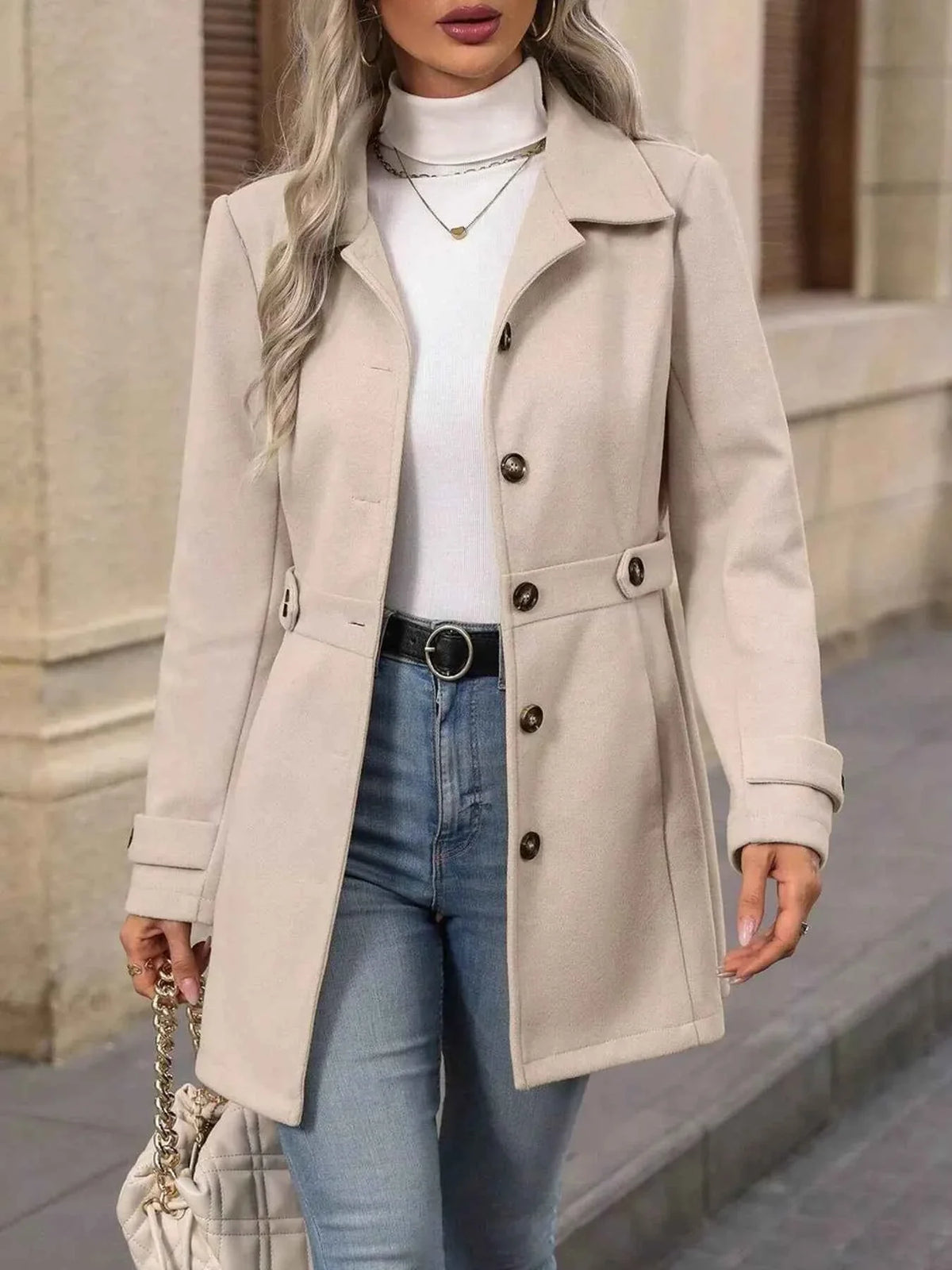
Your first win is learning how to shop with intention. Start by checking how the piece is made and how it fits your life. Look for sturdy stitching, smooth finishing, and a cut that works with your body instead of against it. When a garment sits well and feels right, you will wear it more often—so it earns its place.
Next, consider fabric choices that support comfort and longevity. Breathable textiles help you stay comfortable across different days. Fabrics that hold shape can reduce the “stretched-out” feeling after wear. If you care about Sustainable Fashion, these details matter because they directly affect how long the garment stays in rotation.
If you shop for basics, prioritize items you will reach for repeatedly: tees, layers, loungewear, and outerwear. If you shop for special pieces, choose those that fit multiple occasions—like a dressy layer that can dress up jeans or elevate a casual set.

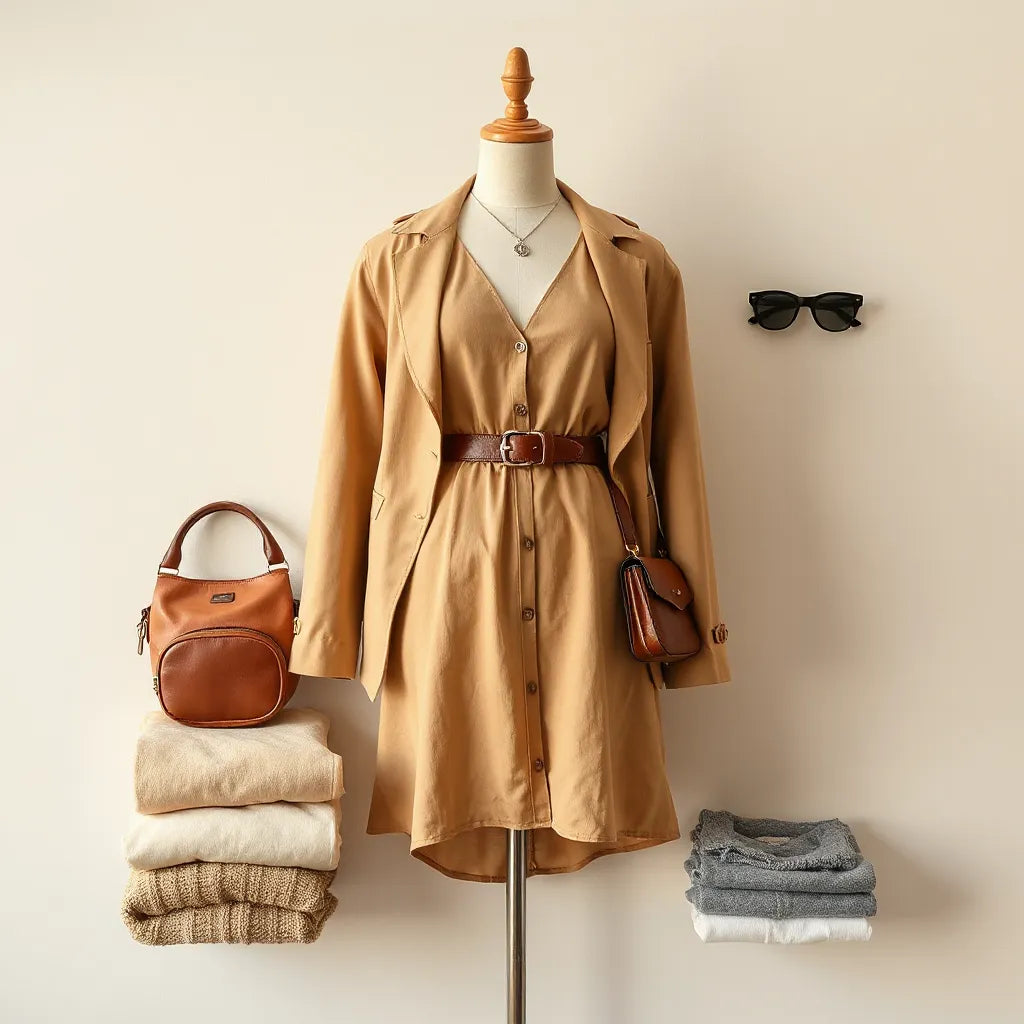
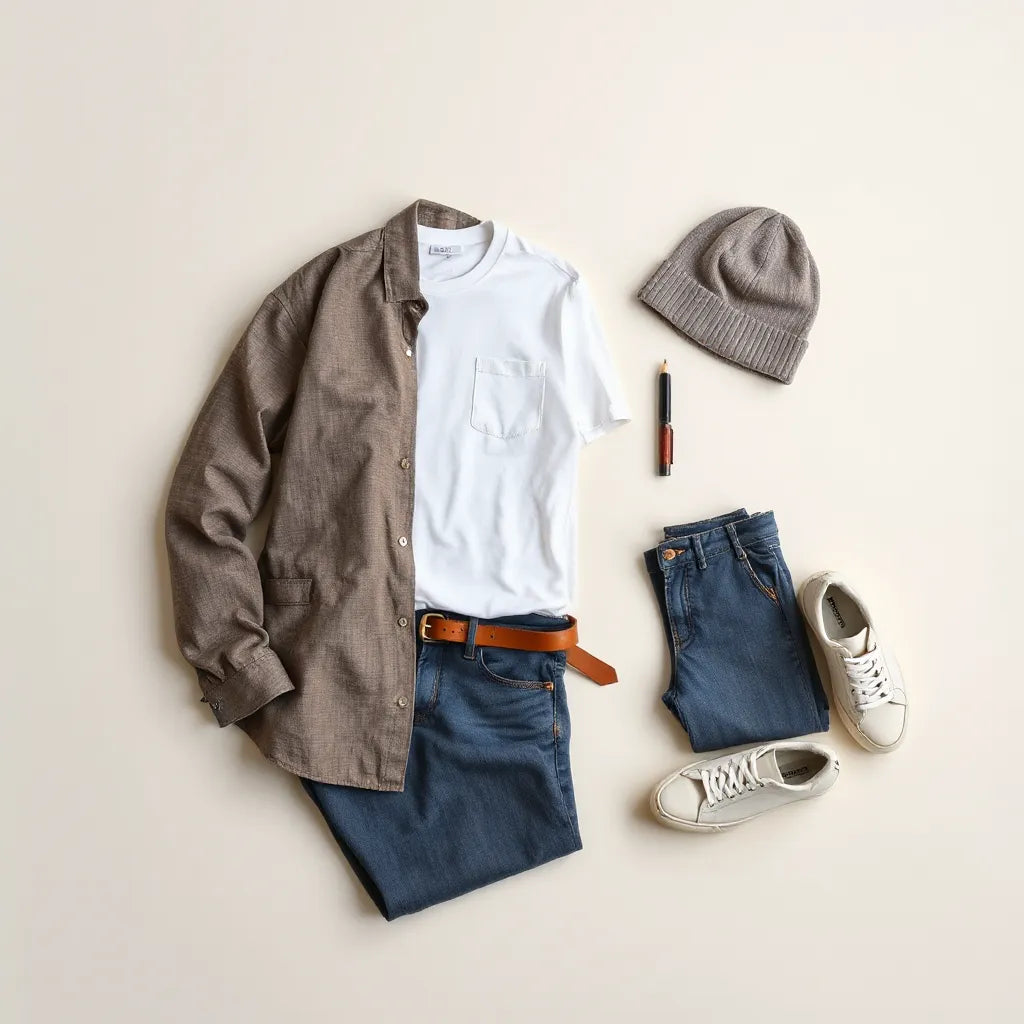
Visualizing “smart shopping” with fabric swatches and stitch lines
Build a wardrobe that mixes easily
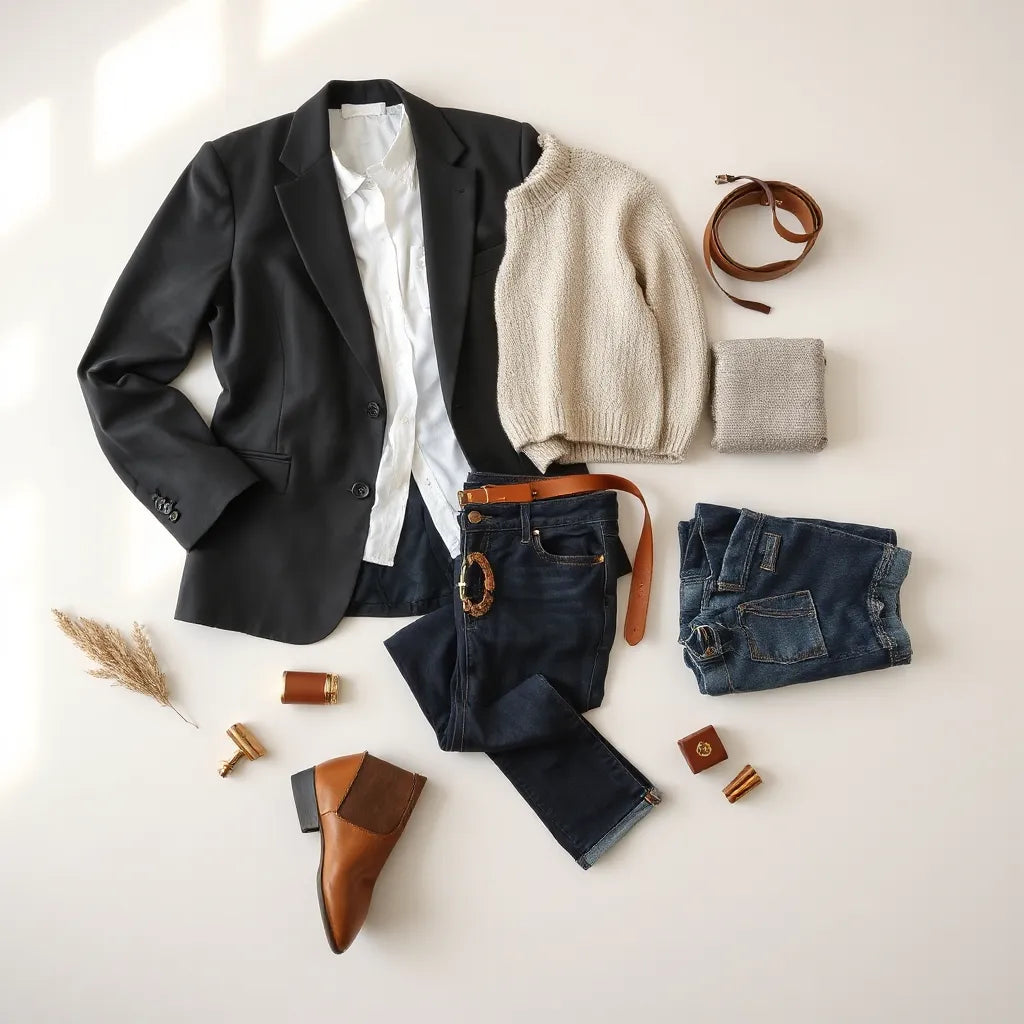
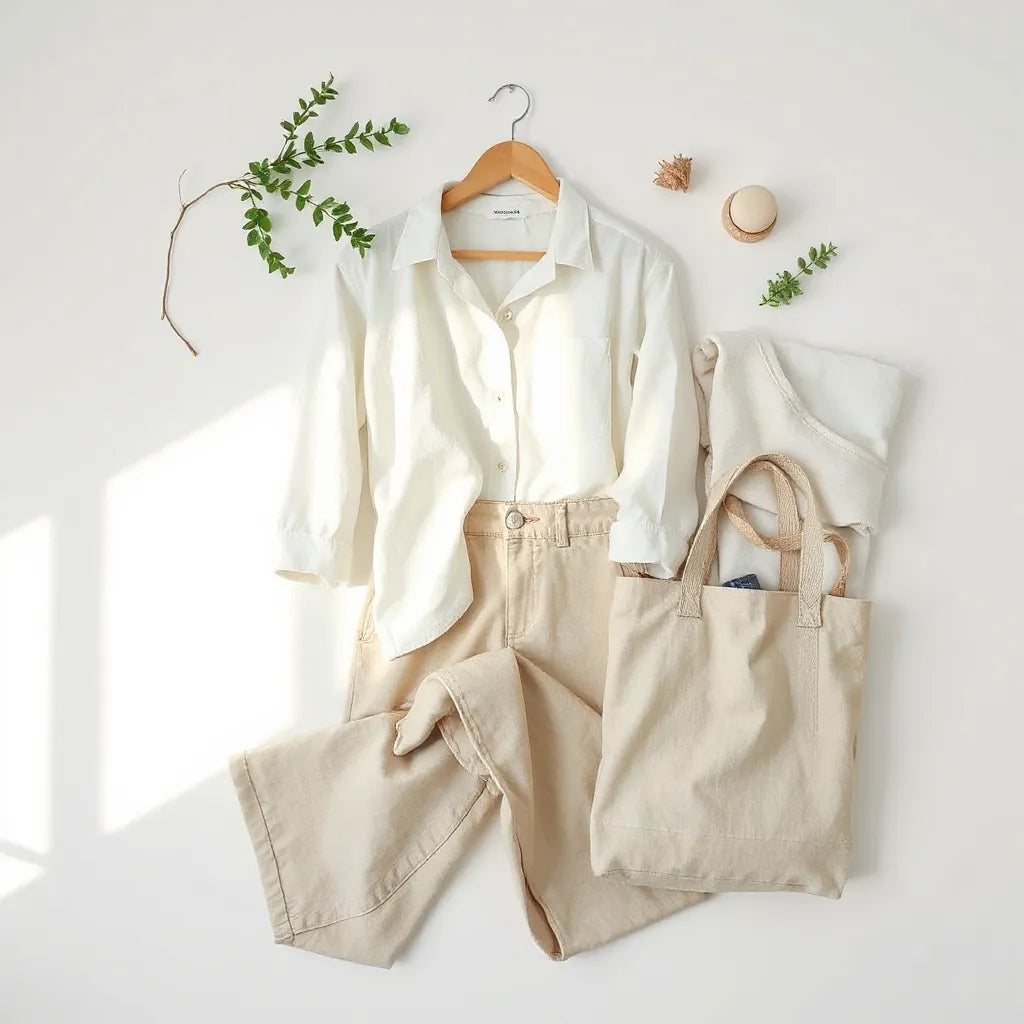
Once you choose a few stronger pieces, build around them. The easiest sustainable habit is selecting items that combine effortlessly. Instead of buying a separate outfit for every event, create a system: one or two neutral foundations, a couple of color accents, and layers that transition across weather.
For women, this could mean pairing a supportive lingerie or shapewear layer with everyday styling choices. For men, it could mean selecting performance-friendly basics that move well and keep your day comfortable. In both cases, the goal stays the same: fewer purchases, more wears.
A practical way to do this is to choose a “rotation set.” Pick a few pieces you love, then build outfits using the same colors and fits. When everything goes together, your closet feels fuller even when it is smaller.
Care and rewear to extend the life of each piece
Great clothing can last longer with simple care. Wash with care, dry gently, and follow the garment’s guidance so the fabric stays strong. Avoid over-washing, especially for pieces that do not need it. Spot clean when possible and air them out between wears. These small actions reduce wear and help colors and textures stay their best.
Rewearing is also a mindset shift. Instead of changing the entire outfit every time you go out, reuse the same base and switch the styling details—like a layer, shoes, or accessories. This gives you fresh looks without buying new items each week.
If you store items properly, they keep their shape. Use appropriate hangers for garments that need structure and fold knits carefully. For lingerie and delicate pieces, gentle handling matters even more because the goal is to keep fit and comfort consistent.
Styling for Real Life (Women and Men)
Sustainable Fashion should work in your everyday routine. That means clothing that supports your schedule, your comfort needs, and your personal style. Below are use cases that help you wear smarter, whether you dress for work, weekends, or travel days.
Women: comfortable confidence from underlayers to going-out looks
If you want a smooth silhouette under outfits, shapewear and supportive underlayers can be a game-changer. When you choose a well-fitting set, you get confidence without needing a wardrobe full of complicated “fixes.” A reliable underlayer helps your clothes sit better, so your outer pieces look more polished with less effort.
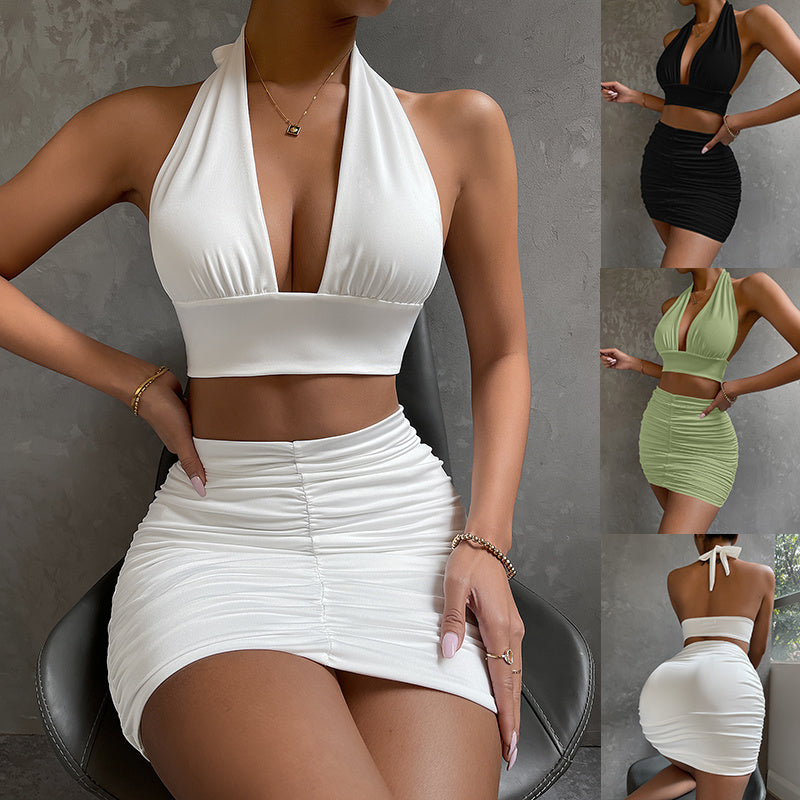
You can also treat lingerie as part of your styling system. Layer it subtly under a matching look or as a confidence booster for special occasions. When the set is comfortable, you are more likely to wear it again—one of the core goals of sustainable wardrobes.
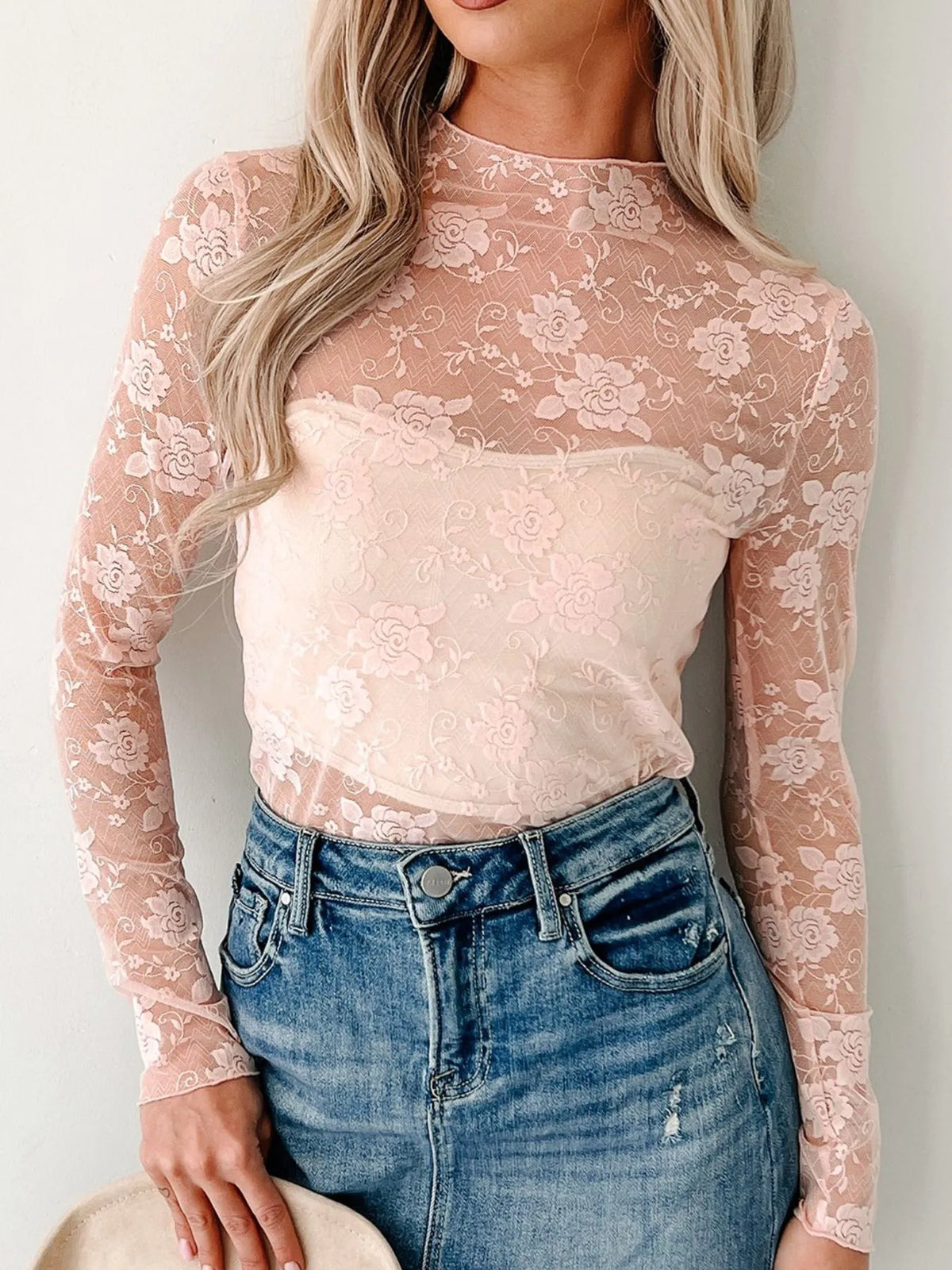
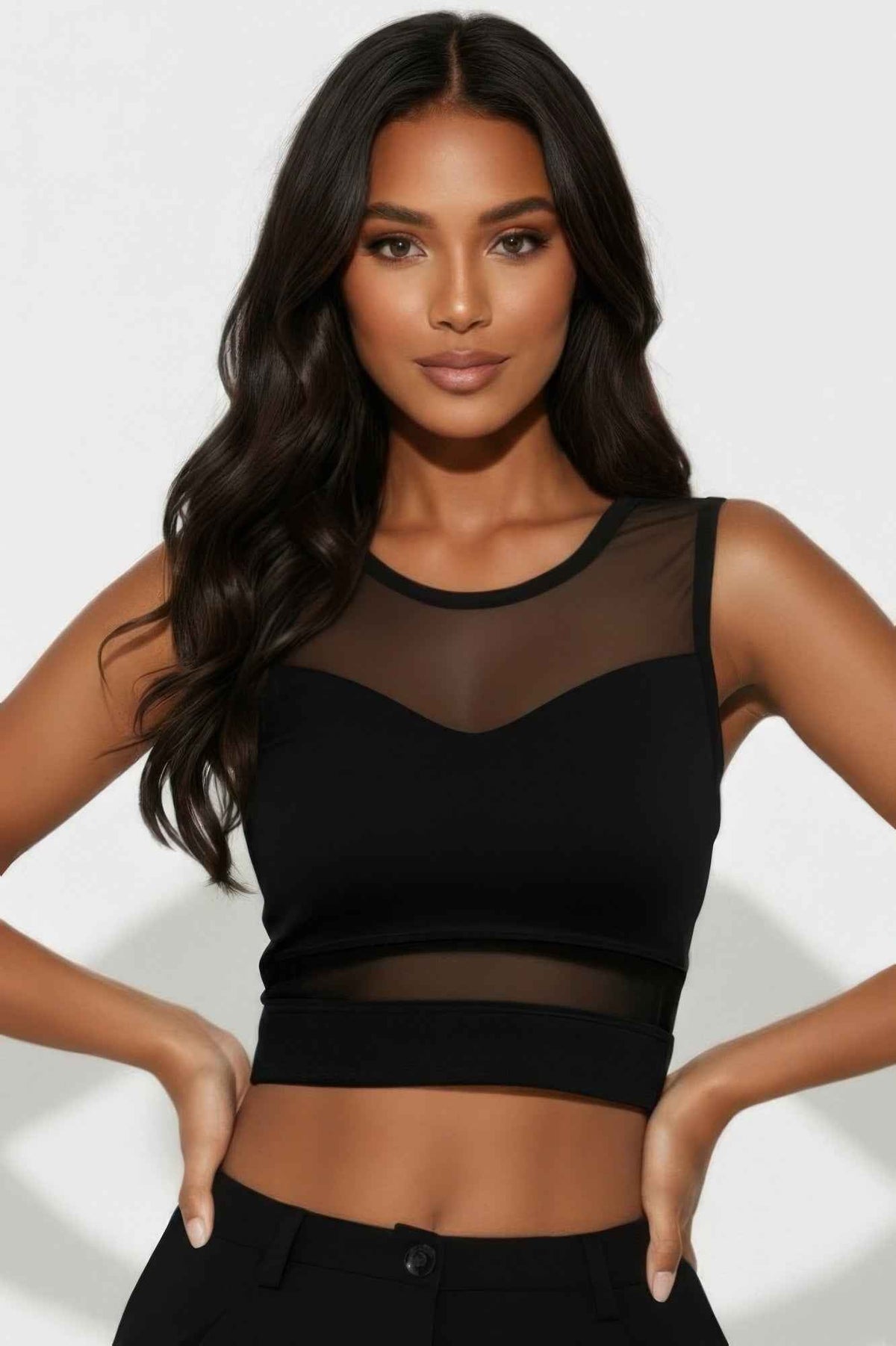
For a blend of comfort and style, consider browsing options like mesh lingerie sets for supportive everyday confidence. If you prefer a more glamorous feel, you can explore lace lingerie with standout details for nights out where you want your look to feel special.
Women: dresses and boots that repeat well
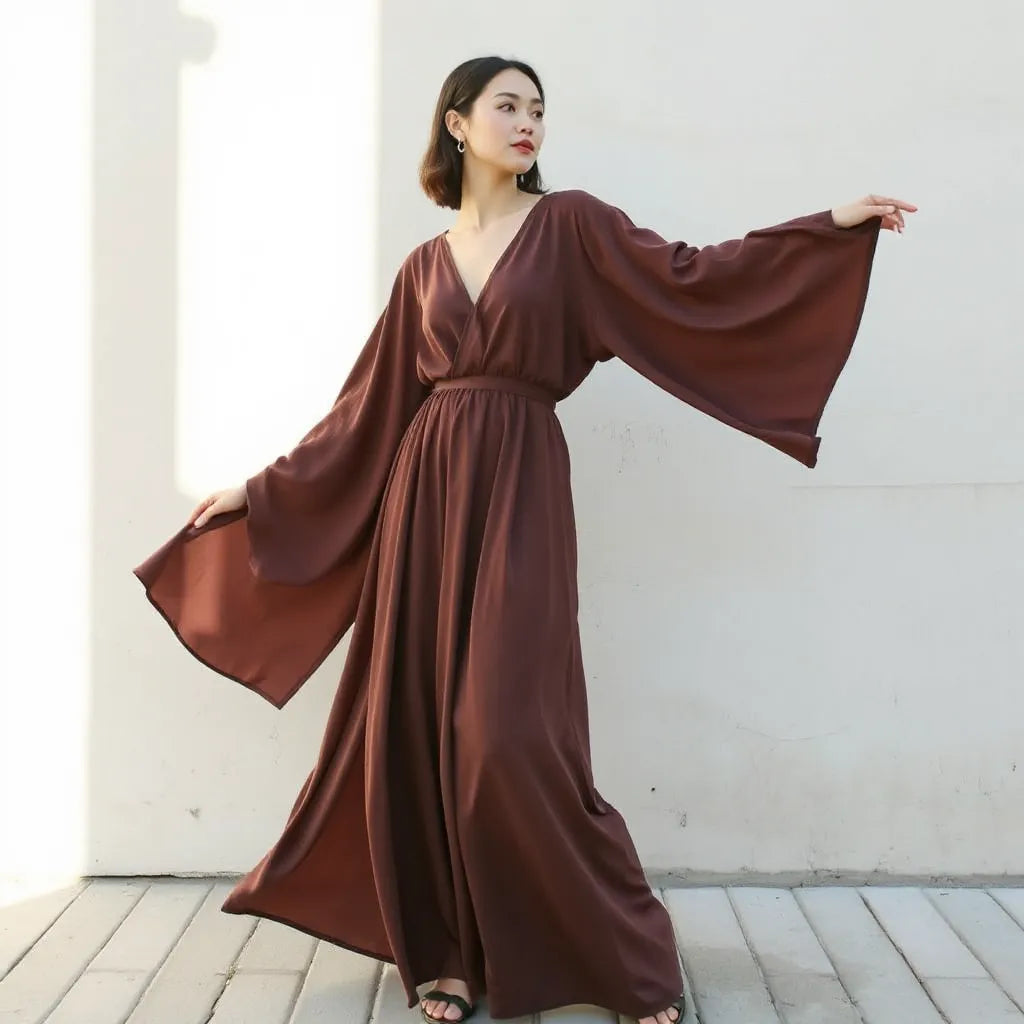
When you choose a dress or boot style that matches multiple outfits, you create more combinations without buying new items. A flowing dress can work with different layers and shoe choices. Boots can add polish to casual looks and elevate dressier ones.
For fall and western-inspired styling, you can build a cohesive set around a single boot silhouette. For example, explore embroidered boots with a comfortable heel to create repeatable outfits that still feel fresh.
Men: performance comfort that supports everyday movement
Men’s Sustainable Fashion often starts with comfort. When basics feel good and move well, you wear them more and replace them less. Think about everyday performance pieces like joggers and athletic sets that handle movement without losing shape.
If your lifestyle is active, look for items that work for workouts, errands, and casual days. You can start with performance-ready essentials, then add versatile outer layers for temperature changes.
For practical everyday wear, you can explore athletic joggers with drawstring and pockets for a comfortable fit that makes daily outfits easier.
When you need an outer layer for layered styling, consider lightweight options like a lightweight zip-up jacket so you can adjust your comfort without buying a new jacket for every scenario.
Proof, Reviews, and What Customers Notice
People choose sustainable-minded wardrobes for reasons they can feel right away: comfort, fit, and the ability to wear pieces repeatedly. Many customers share similar observations about what matters most when they shop thoughtfully.
Customers often mention that well-designed clothing feels better on day one and stays comfortable over time. They also notice how easy it is to create outfits when the fit is right. Instead of struggling with clothes that shift, ride up, or lose shape, they get pieces that stay consistent with their routine.
Another common theme is versatility. When a piece can transition from casual to dressed-up styling, it becomes a reliable part of the wardrobe. That means fewer purchases and more wears, which is exactly what a sustainable closet is built on.

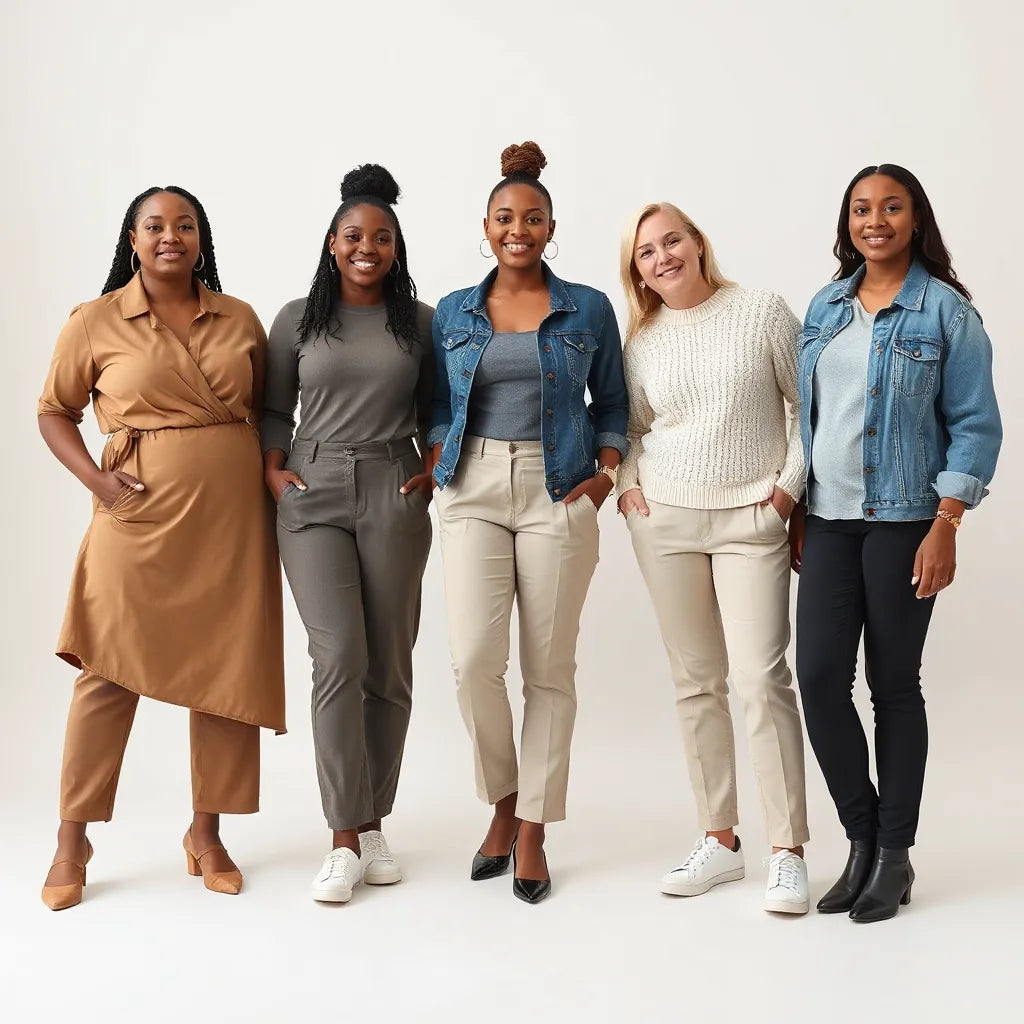
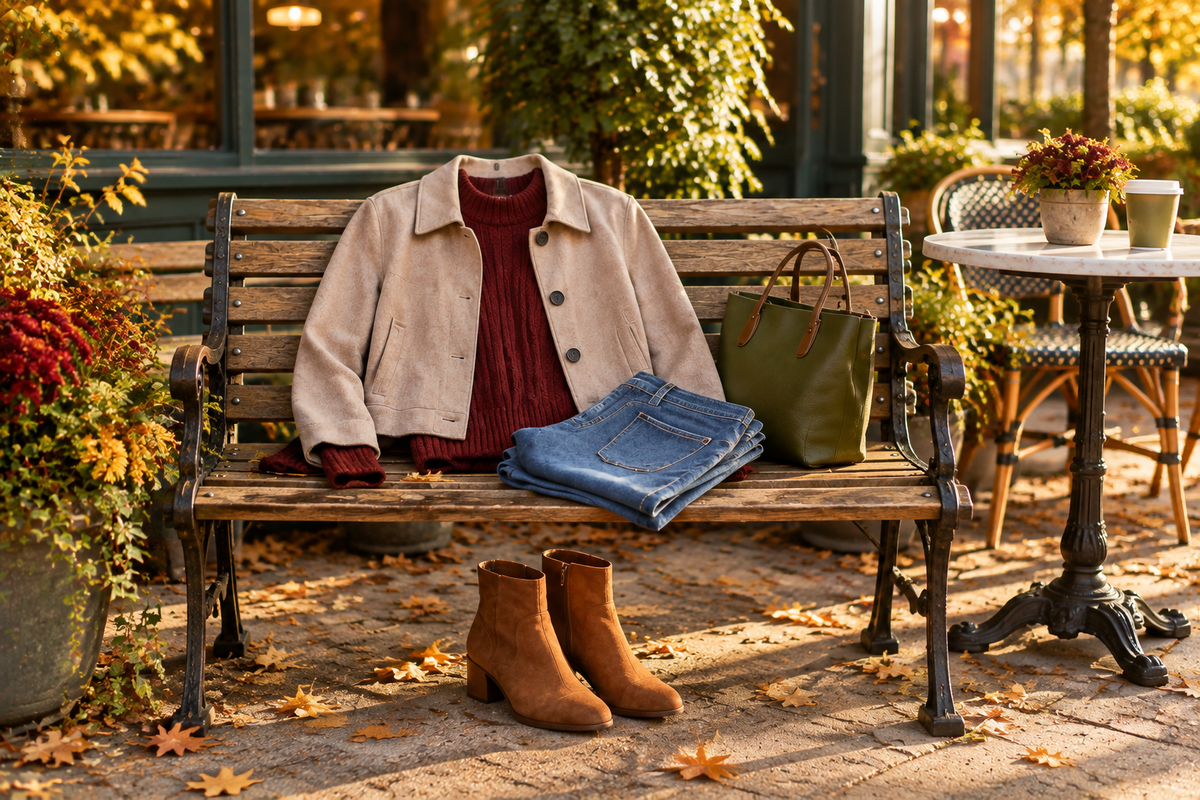
Showing repeat outfits with a wardrobe “rewear” trail
Finally, shoppers love the confidence boost. When your inner layers feel supportive and your outer layer fits cleanly, your whole look feels intentional. That is why customers keep returning to wardrobe systems that focus on both comfort and style.
Ready to Upgrade Your Closet?
If you want Sustainable Fashion without overcomplicating it, start with a simple plan: choose pieces that fit well, build a rotation that mixes easily, and care for items so they last. You will feel the difference when getting dressed becomes faster and your favorite items stay comfortable longer.
Ready to shop with intention? Explore curated styles on Fashion Envy and build a wardrobe that works for your days and your goals. Use the links below to jump into comfort-first picks, then continue styling with confidence.
- Comfort-first mesh lingerie
- Everyday joggers that move
- Lightweight layering for daily wear
- Repeat-wear boots for polished looks
Disclaimer: Sustainable Fashion claims vary by product and supplier. This article focuses on practical, consumer-focused steps like choosing quality construction, buying for repeat wear, and extending garment life through proper care. Always review product descriptions and care instructions before purchasing.
FAQ Section
Is Sustainable Fashion only about using eco-friendly materials?
Not at all. While better materials help, sustainable wardrobes also depend on smarter buying habits. Prioritize pieces with good fit and strong construction, choose versatile styles you will wear often, and extend the life of your clothes with gentle care and rewearing.
How can I build a sustainable wardrobe when I still want trendy styles?
Choose trends that can mix into your existing closet. Look for a trend piece that pairs with basic staples, then repeat it through different outfits. The more ways a piece can be styled, the fewer new purchases you need.
What is the simplest way to make my clothes last longer?
Wash less often, follow care labels, and air garments out between wears when appropriate. Handle delicate pieces gently, store items carefully, and avoid rough drying methods that can damage fibers. A little maintenance helps your clothes stay comfortable and wearable for longer.


We are creating Fun and informational content for the Fashion Industry!